
Without a solid and flat subfloor, there is no good floor – that's why we leave nothing to chance.
Substrate preparation
Quality subfloor preparation is the foundation of any long-lasting and stable floor.
Before installing parquet, laminate or vinyl, the subfloor must be flat, dry, clean and solid.Only in this way problems such as deformation, creaking or cracking of the floor can be avoided.
Our team at Ekorustik Interijer® expertly performs all stages of subfloor preparation, using proven materials and techniques that guarantee a perfect final result.
Measuring moisture
Measuring moisture in cement screed is crucial before flooring installation to prevent catastrophic failures like adhesive failure, warping, buckling, blistering, mold growth, and discoloration, ensuring the floor's longevity, stability, and healthy indoor air quality, as excess moisture traps beneath finishes, causing damage and costly repairs.
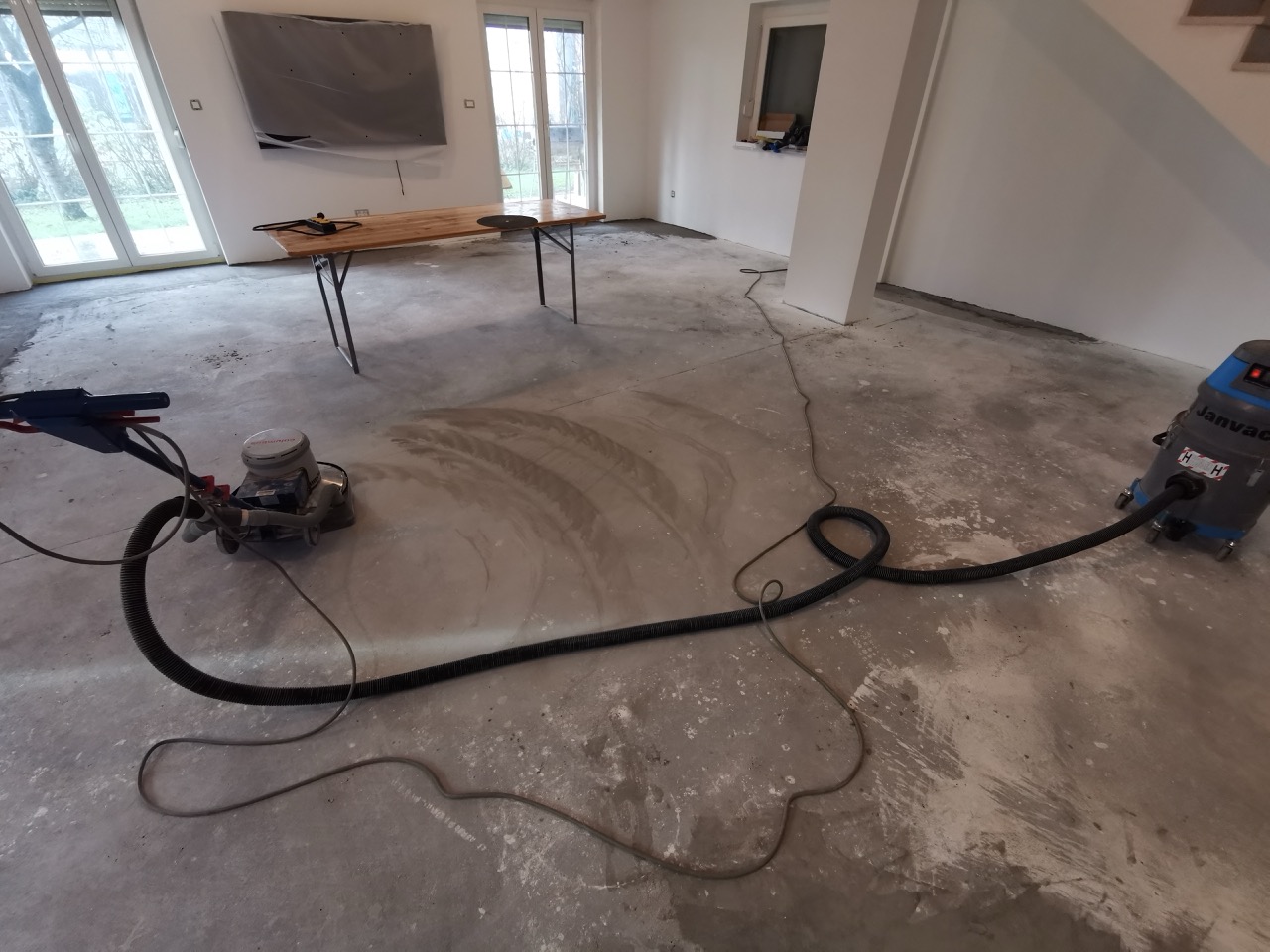
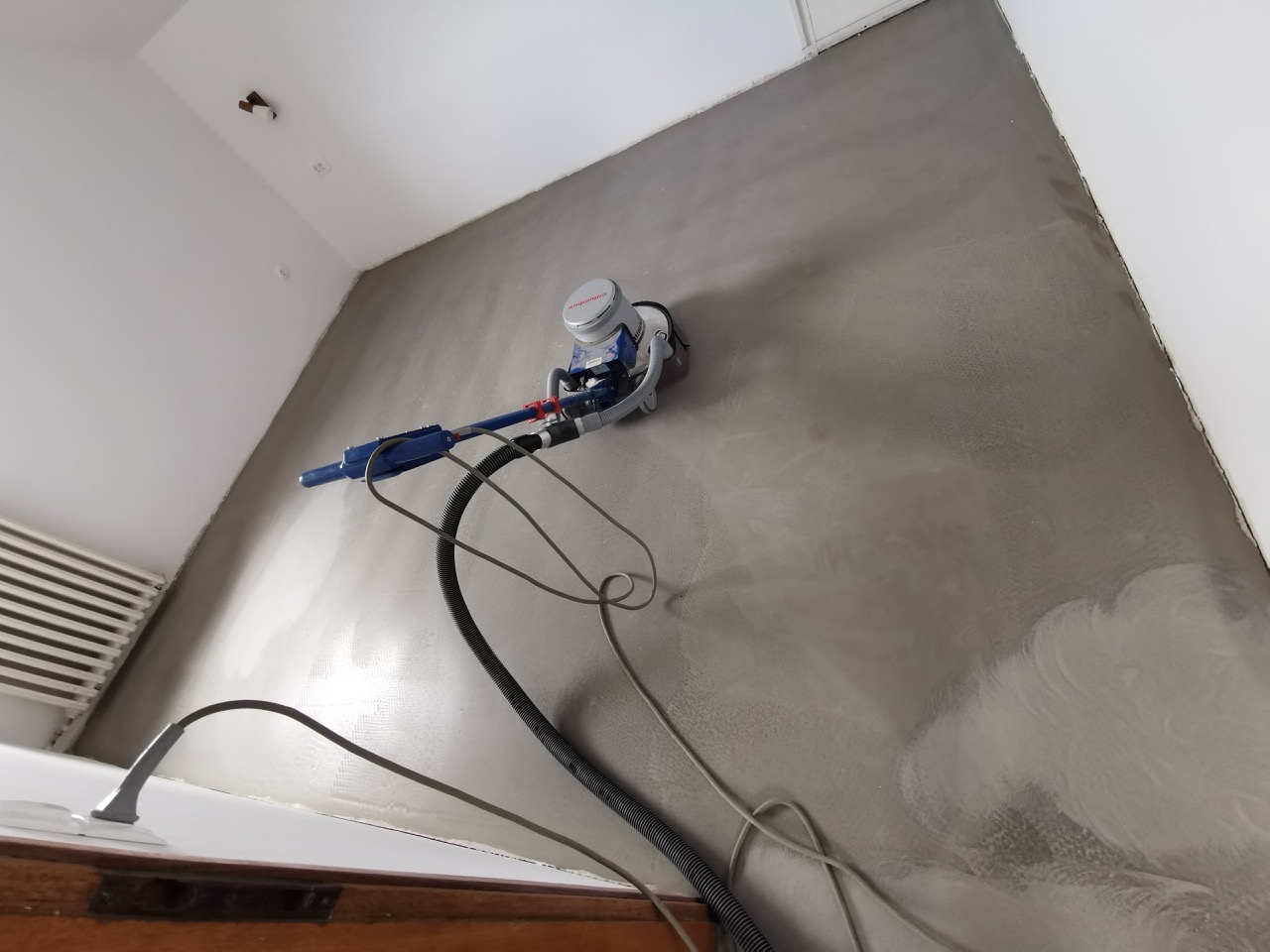
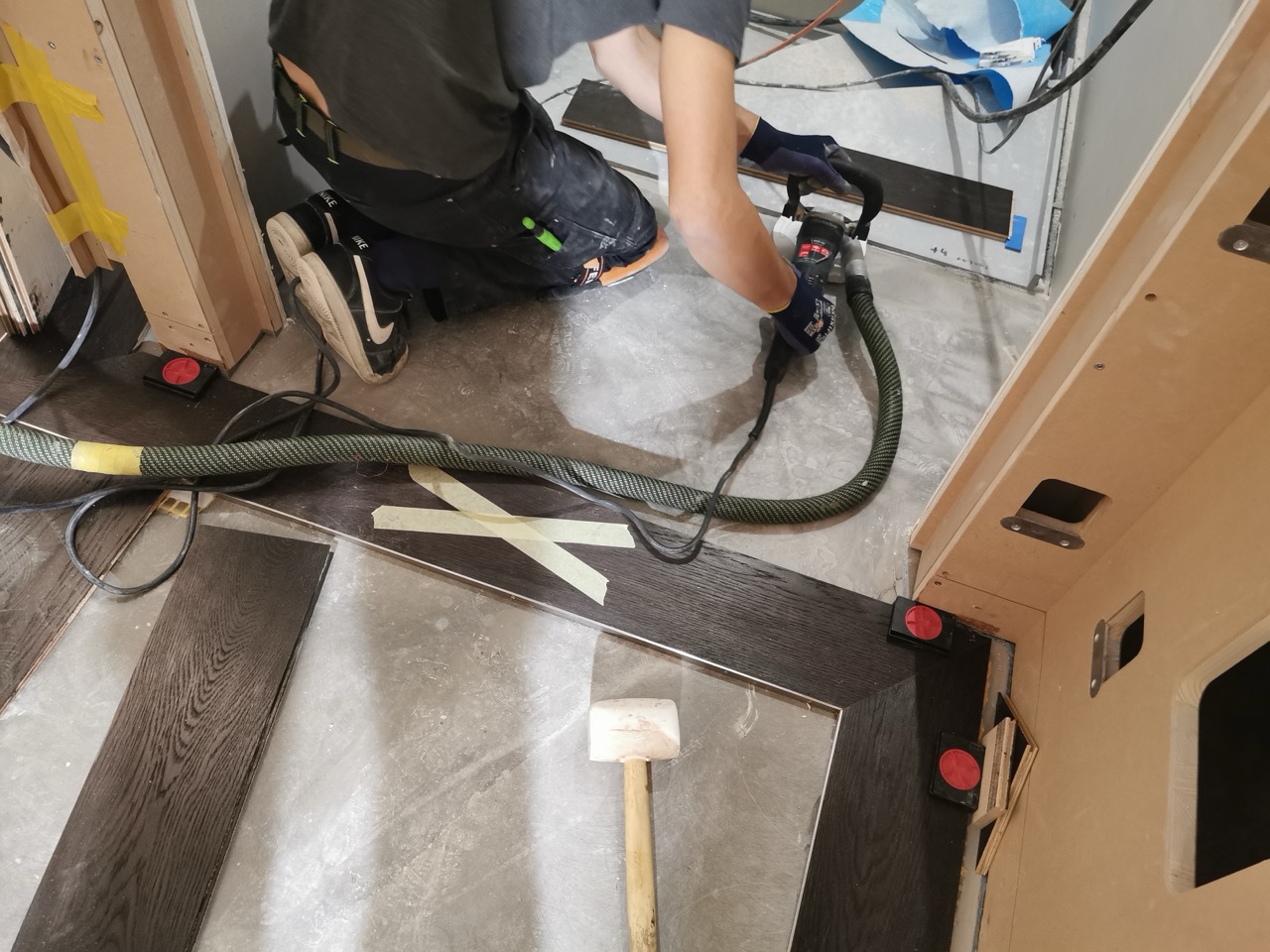
Sanding the screed
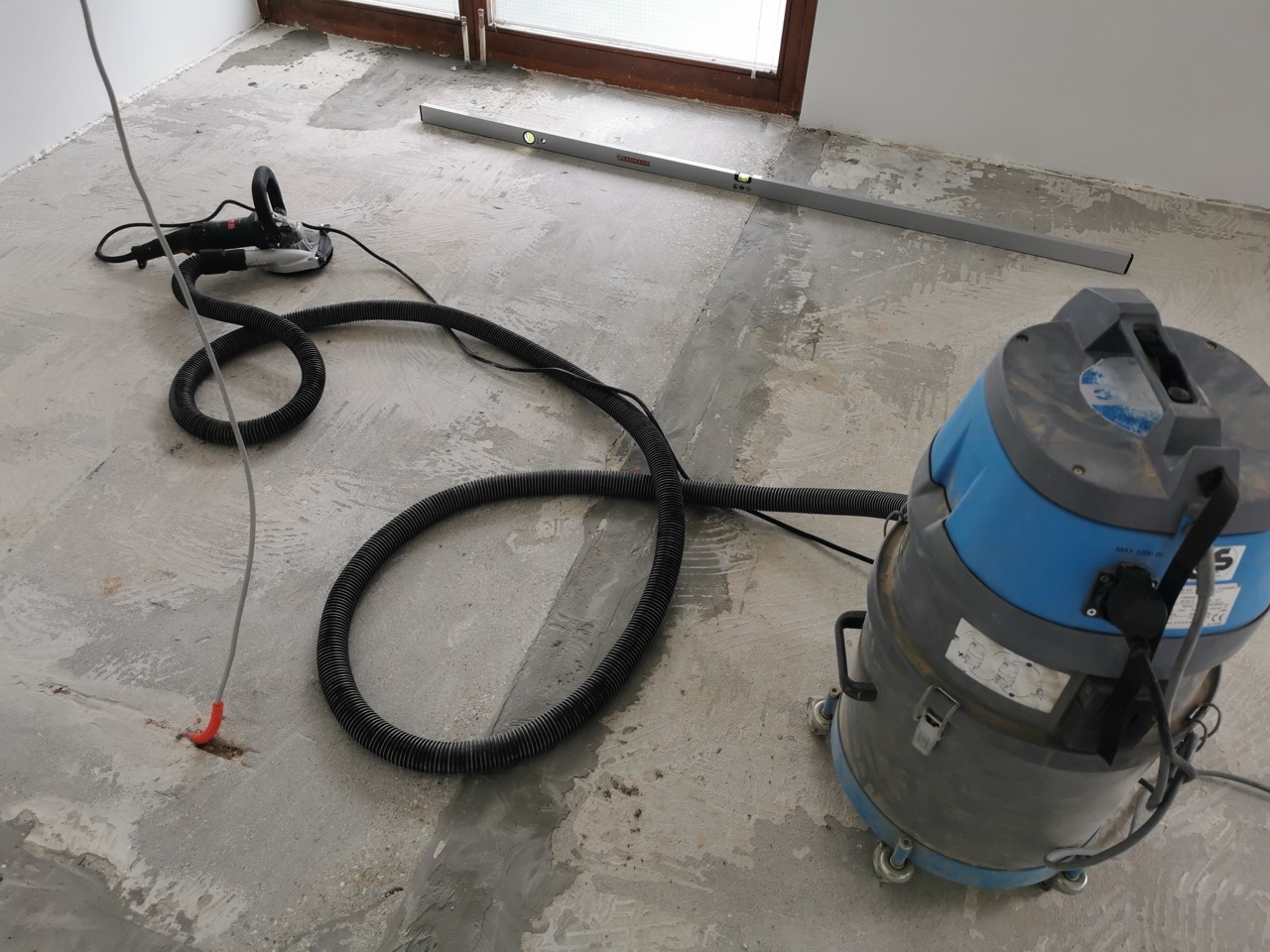
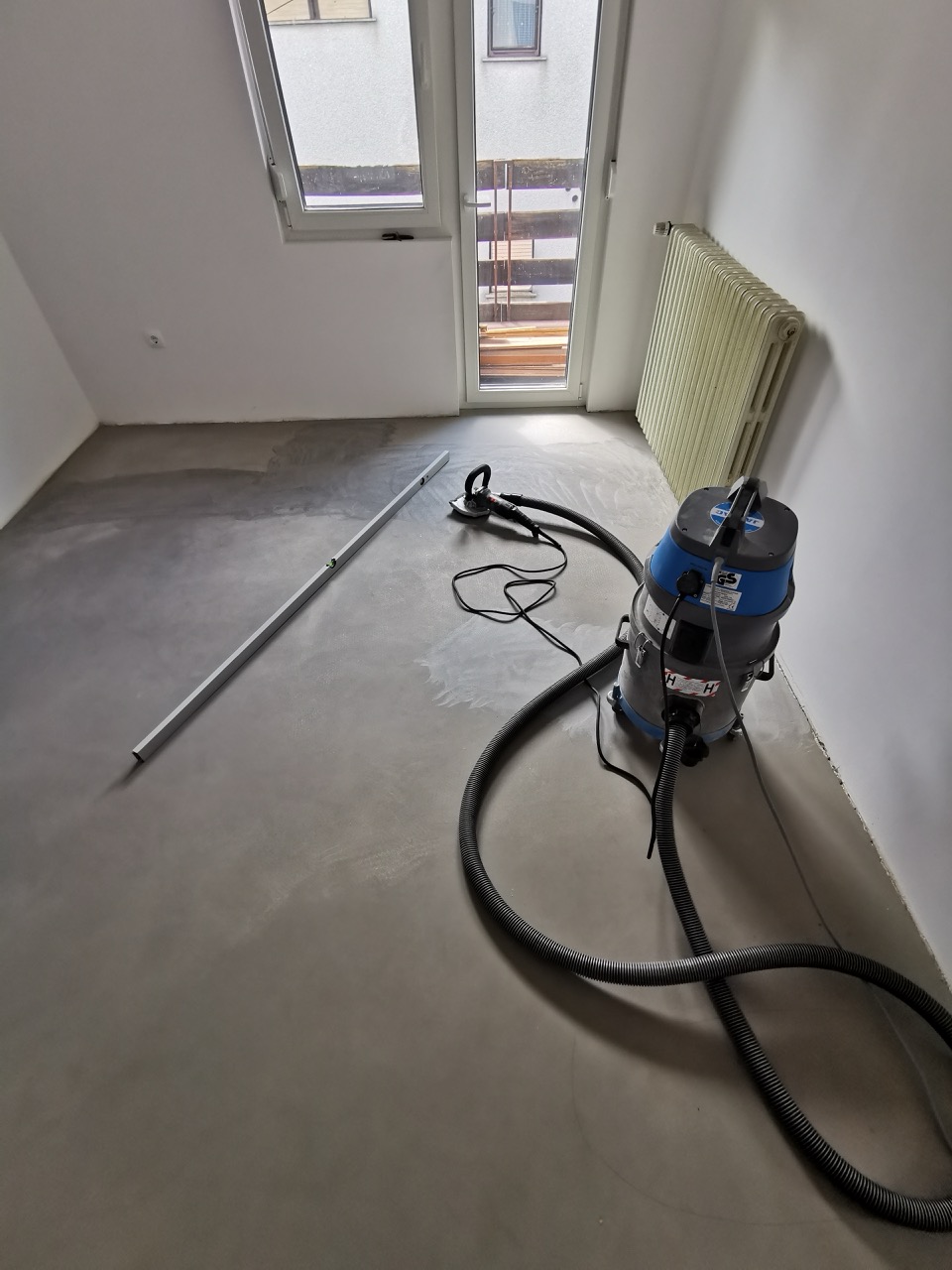
Sanding the screed is necessary to remove surface layers of dust, dirt and cement laitance that reduce the adhesion of adhesives or leveling compounds.
After sanding, the surface becomes clean, rough and ideal for further work – whether it is gluing parquet or applying self-leveling compound.
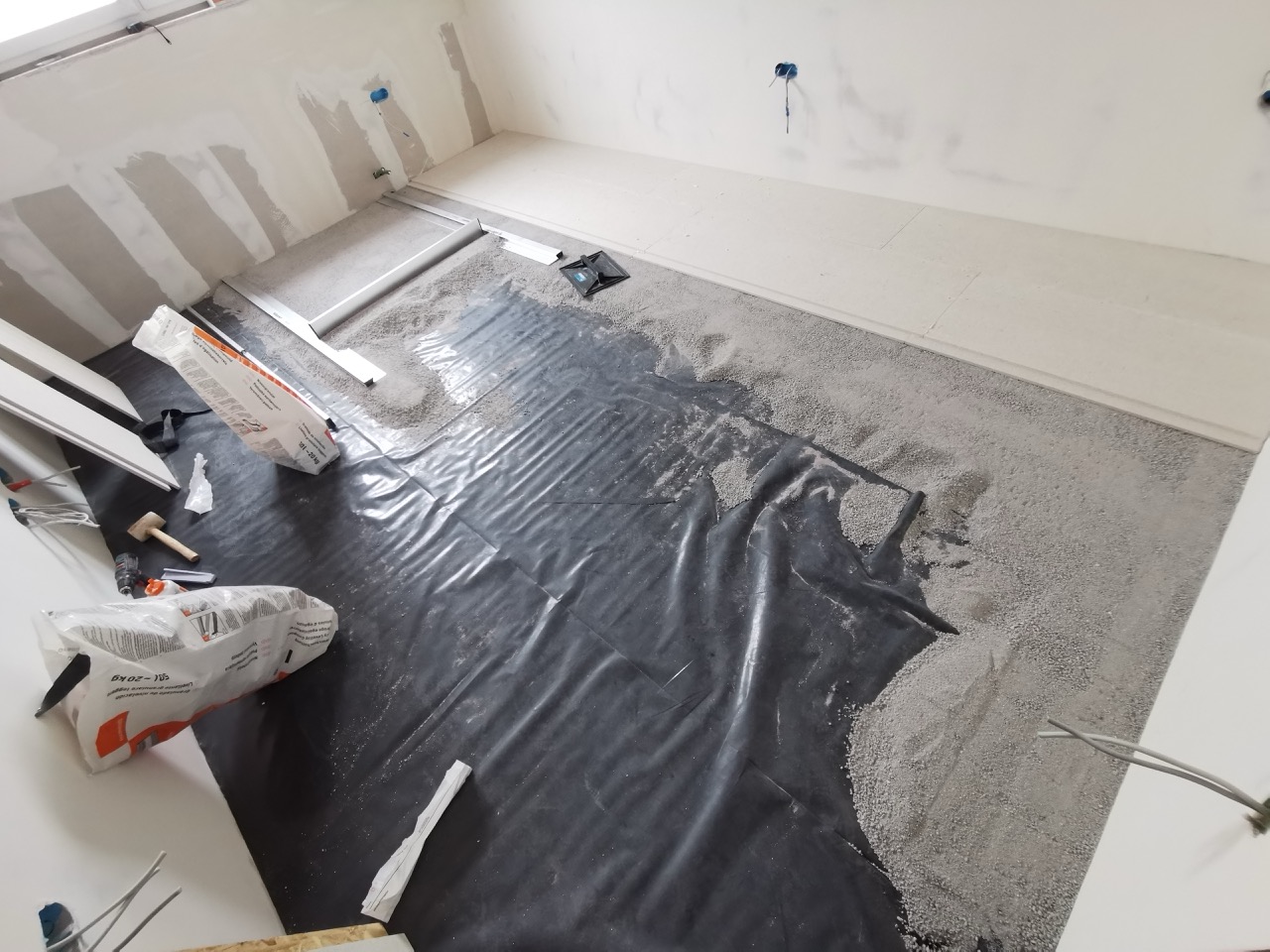
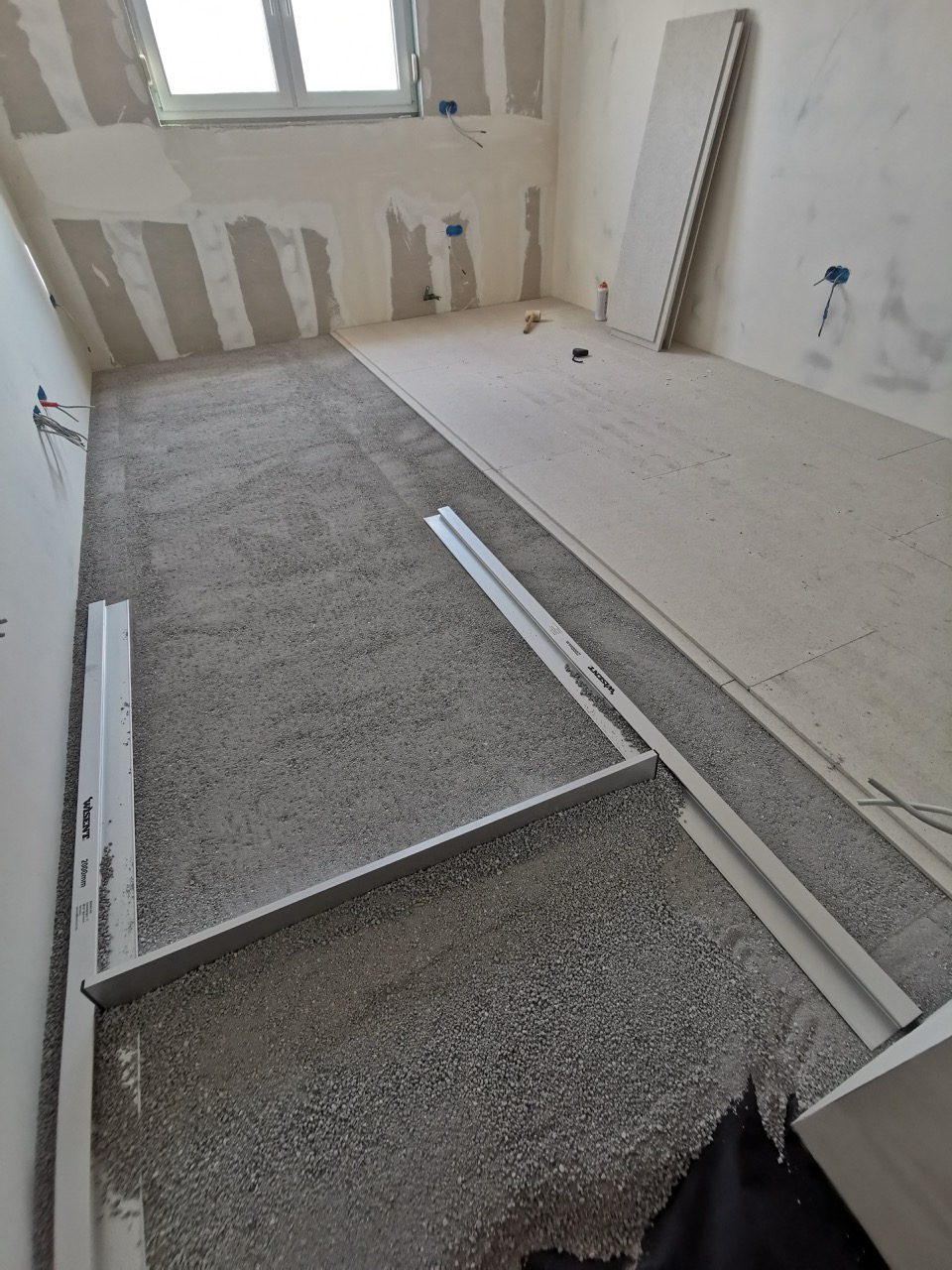
Fermacell / Knauf dry floors
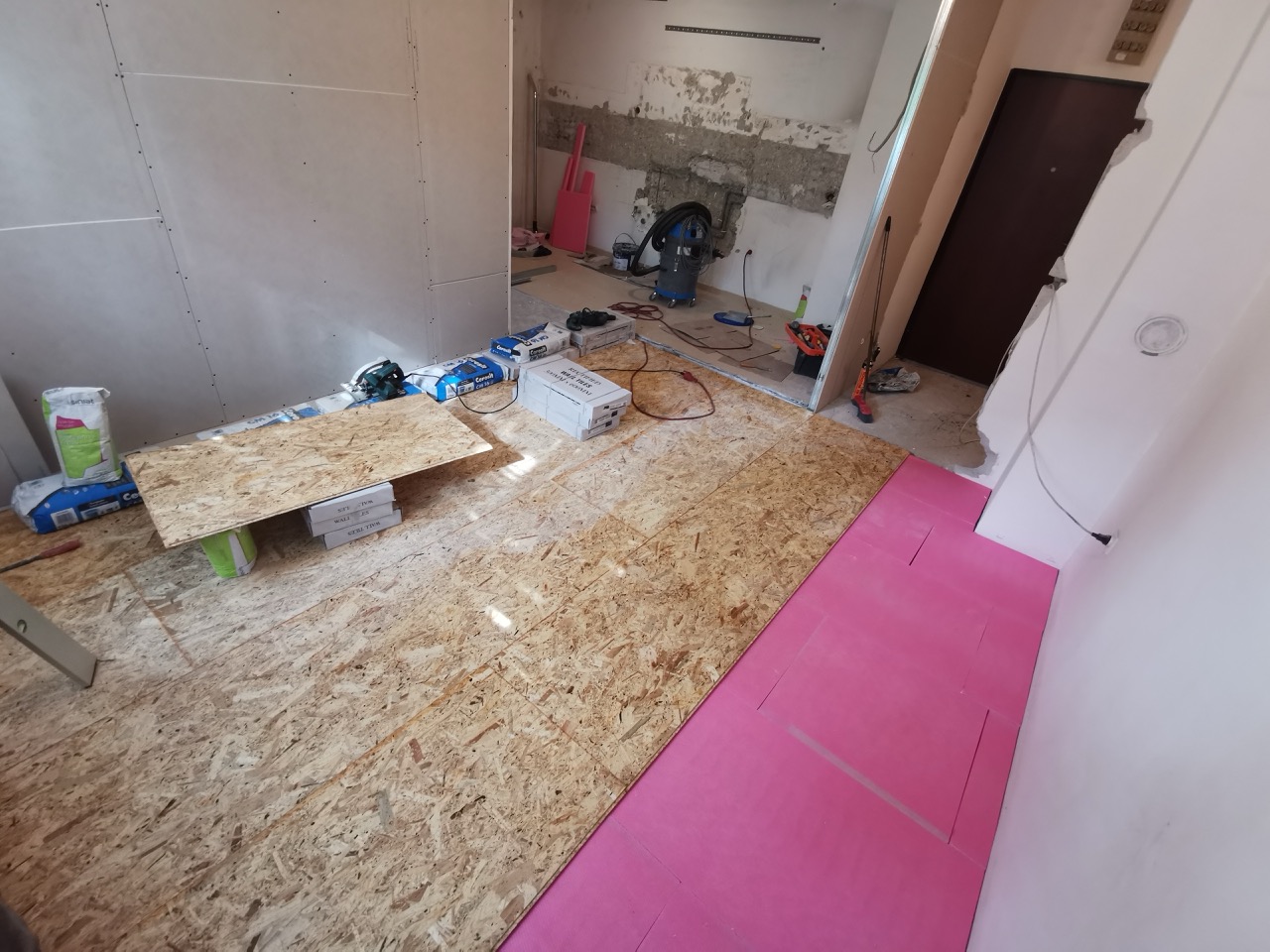
In renovations or areas where it is not possible to install a classic cement screed, we install Fermacell or Knauf dry floors..
These systems provide a quick, clean and easy solution - without long drying times, ideal for apartments, attics and areas with underfloor heating.
The advantage is excellent thermal and sound insulation and the possibility of installation immediately after assembly.
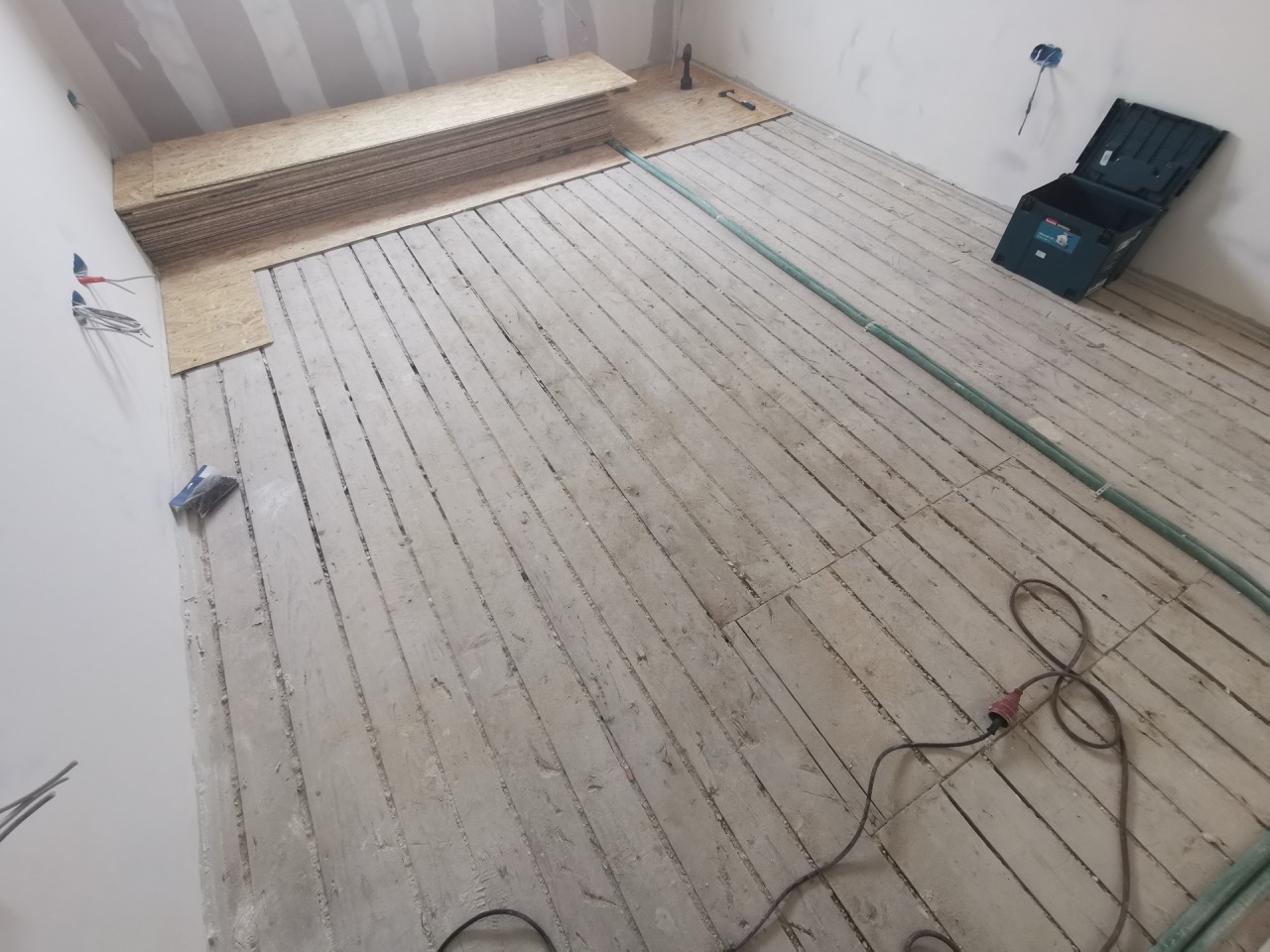
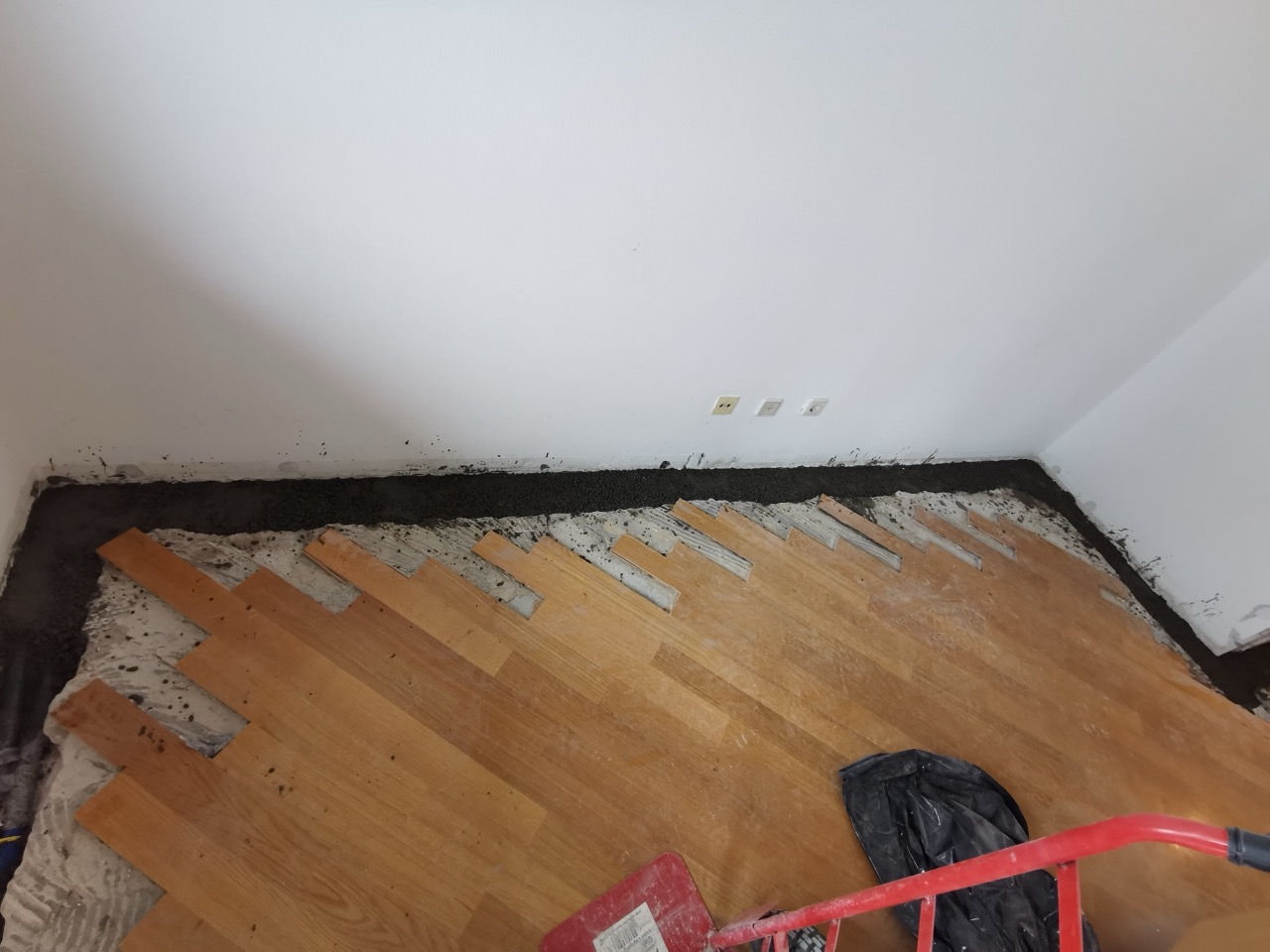
Constructed Subfloor
When there are larger irregularities or the floor is installed on a wooden structure, we create a Constructed Subfloor.
Depending on the needs, a wooden or metal beans are used to ensure stability, flatness and good ventilation ofthe floor.
This prevents moisture and extends the life of the floor.
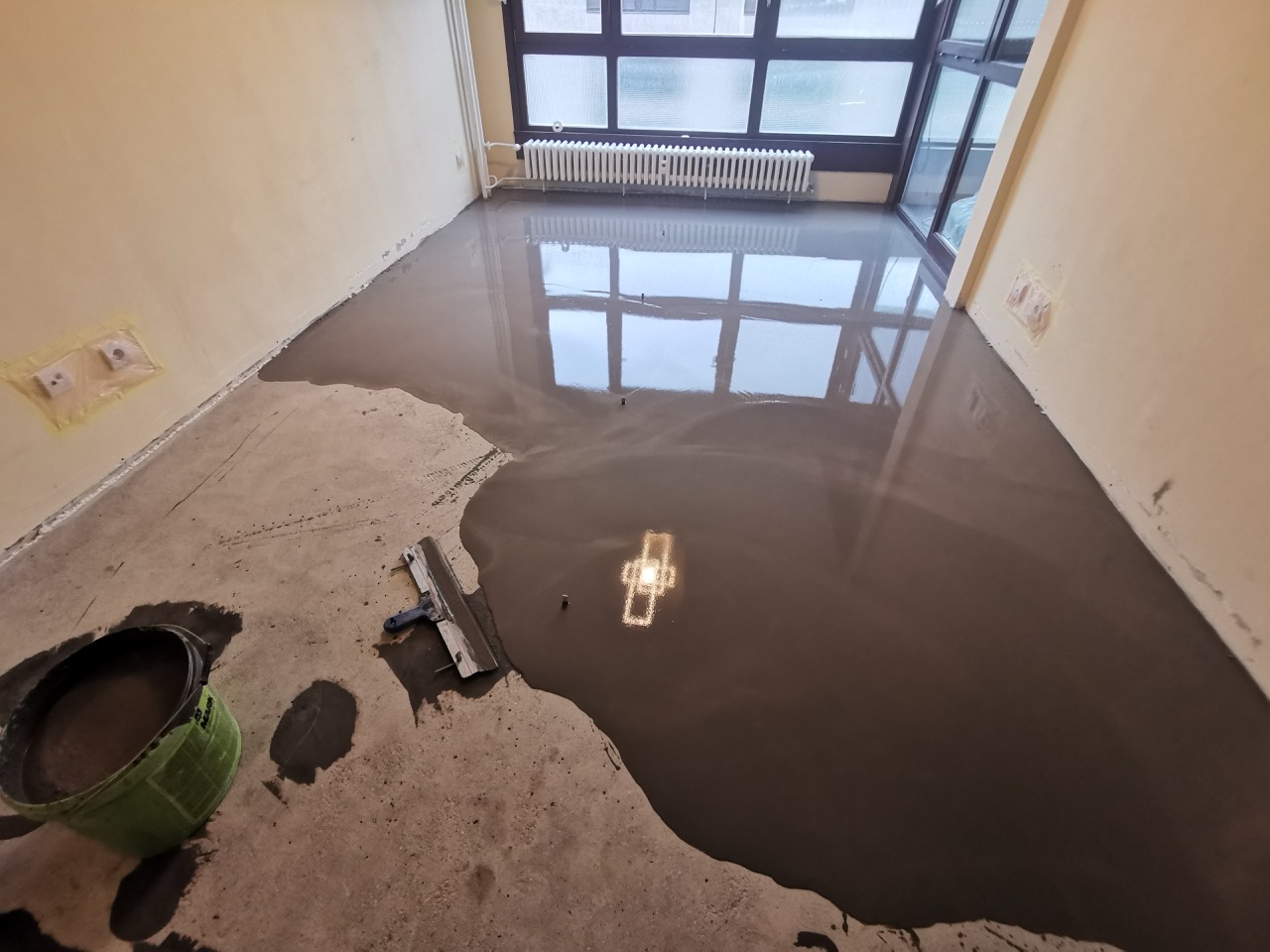
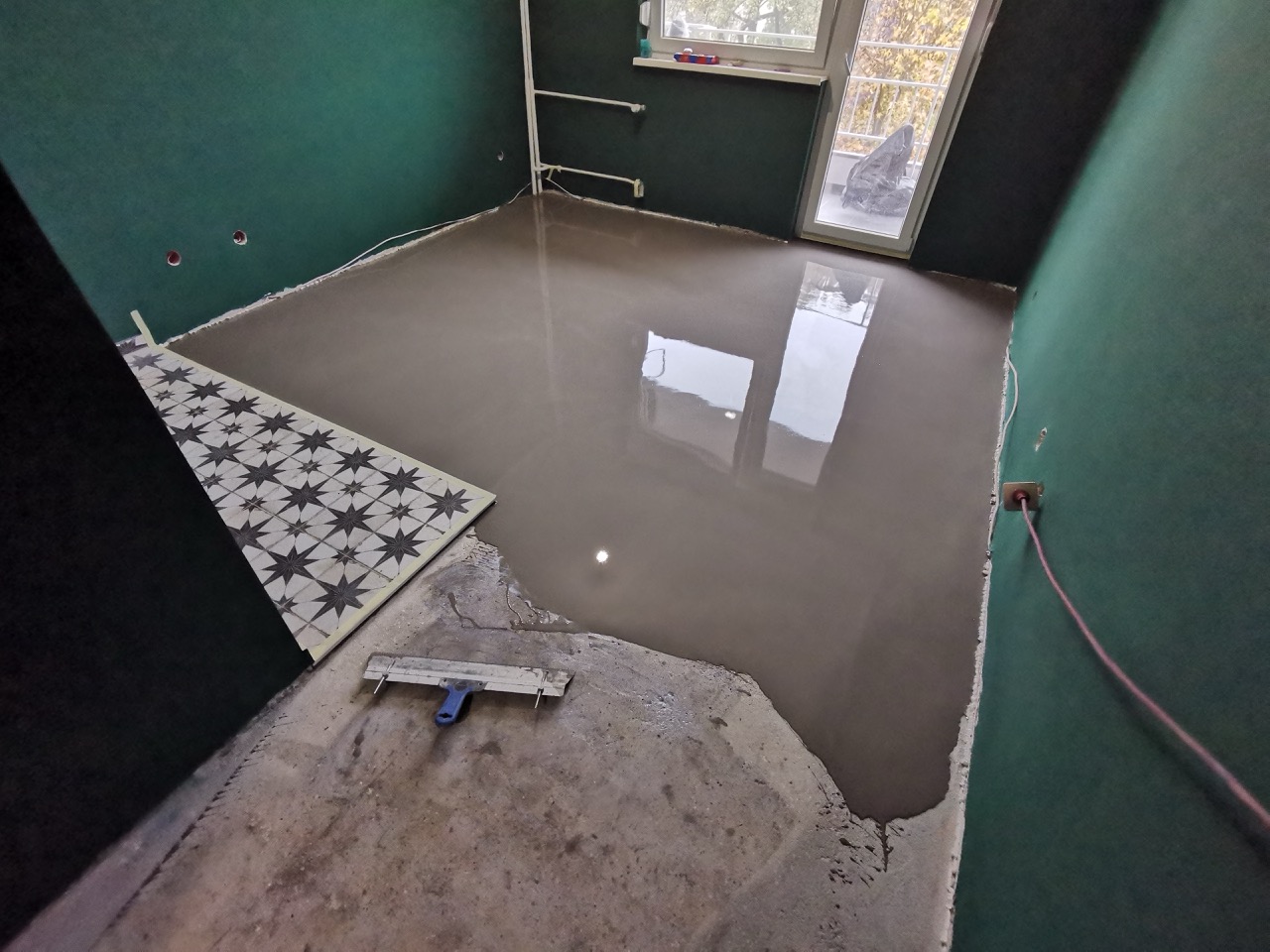
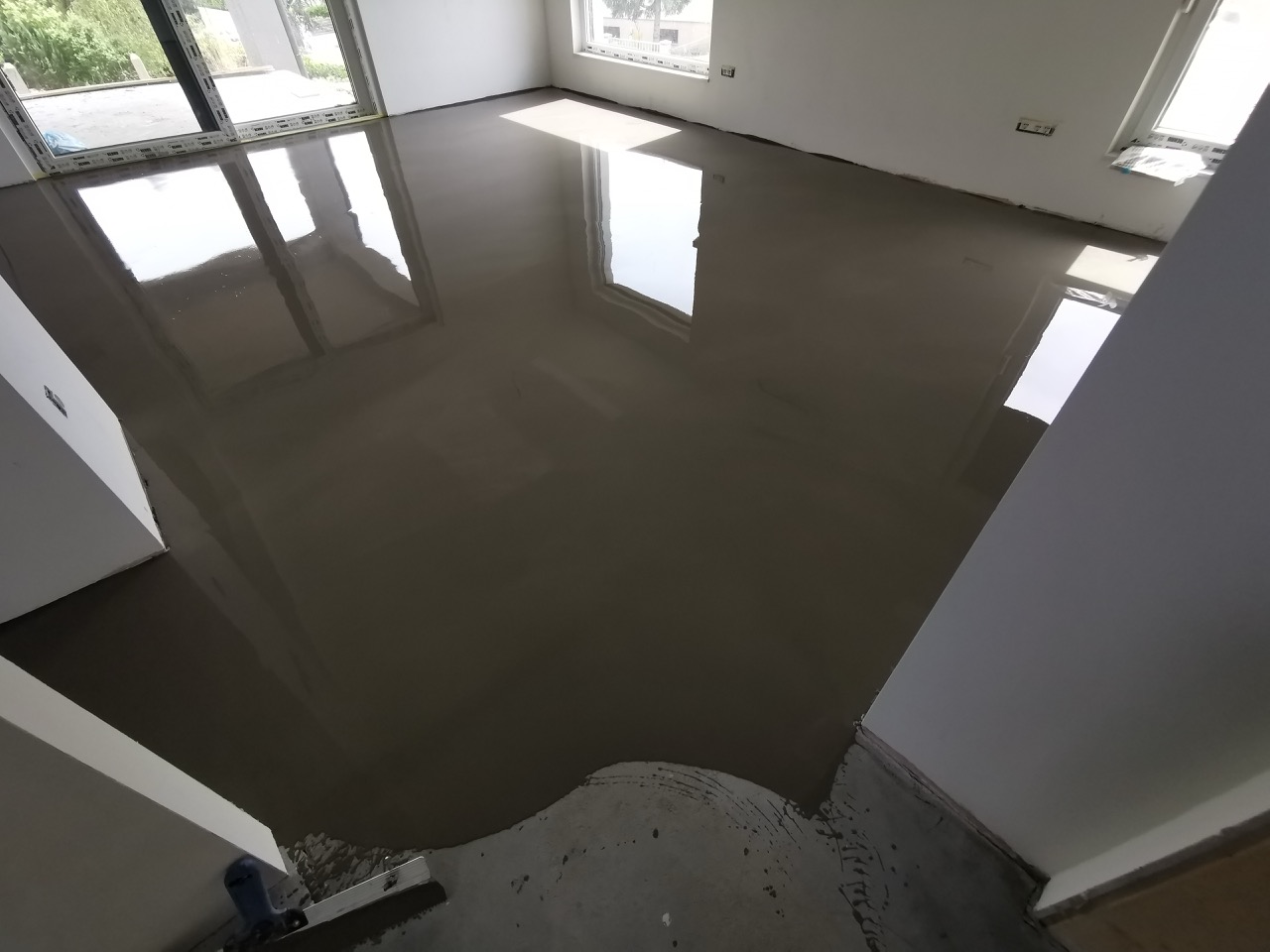
Leveling with leveling compound
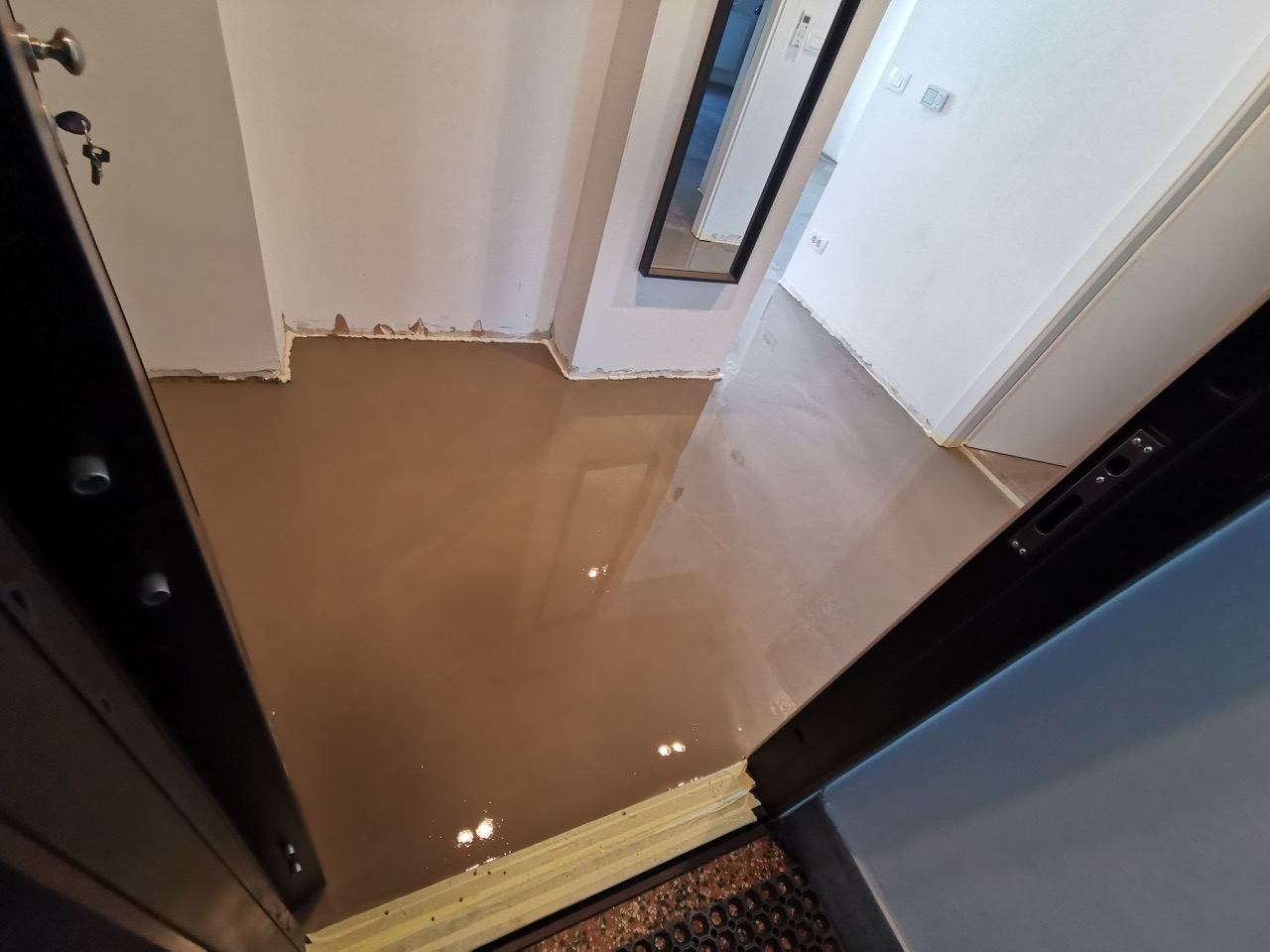
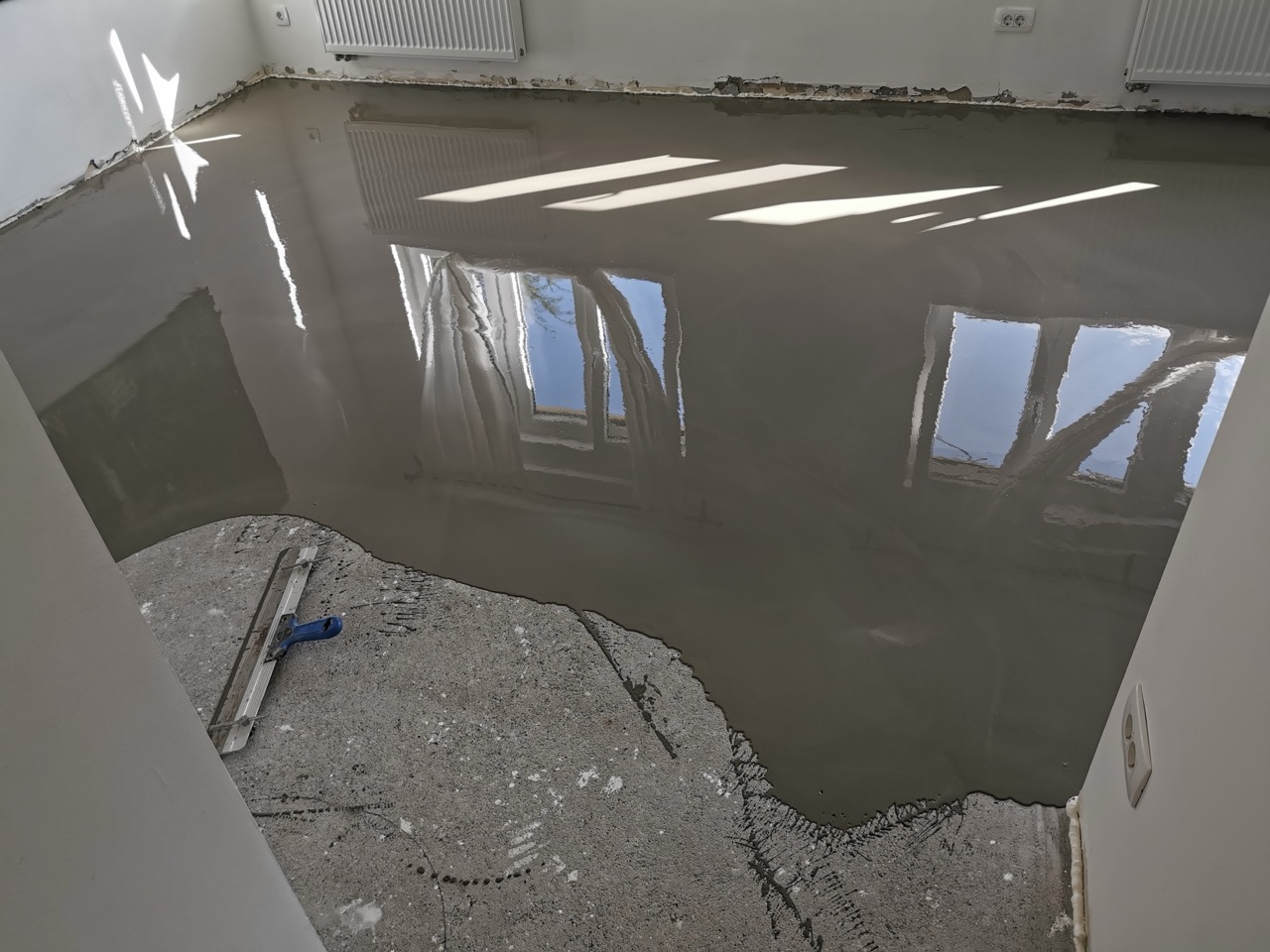
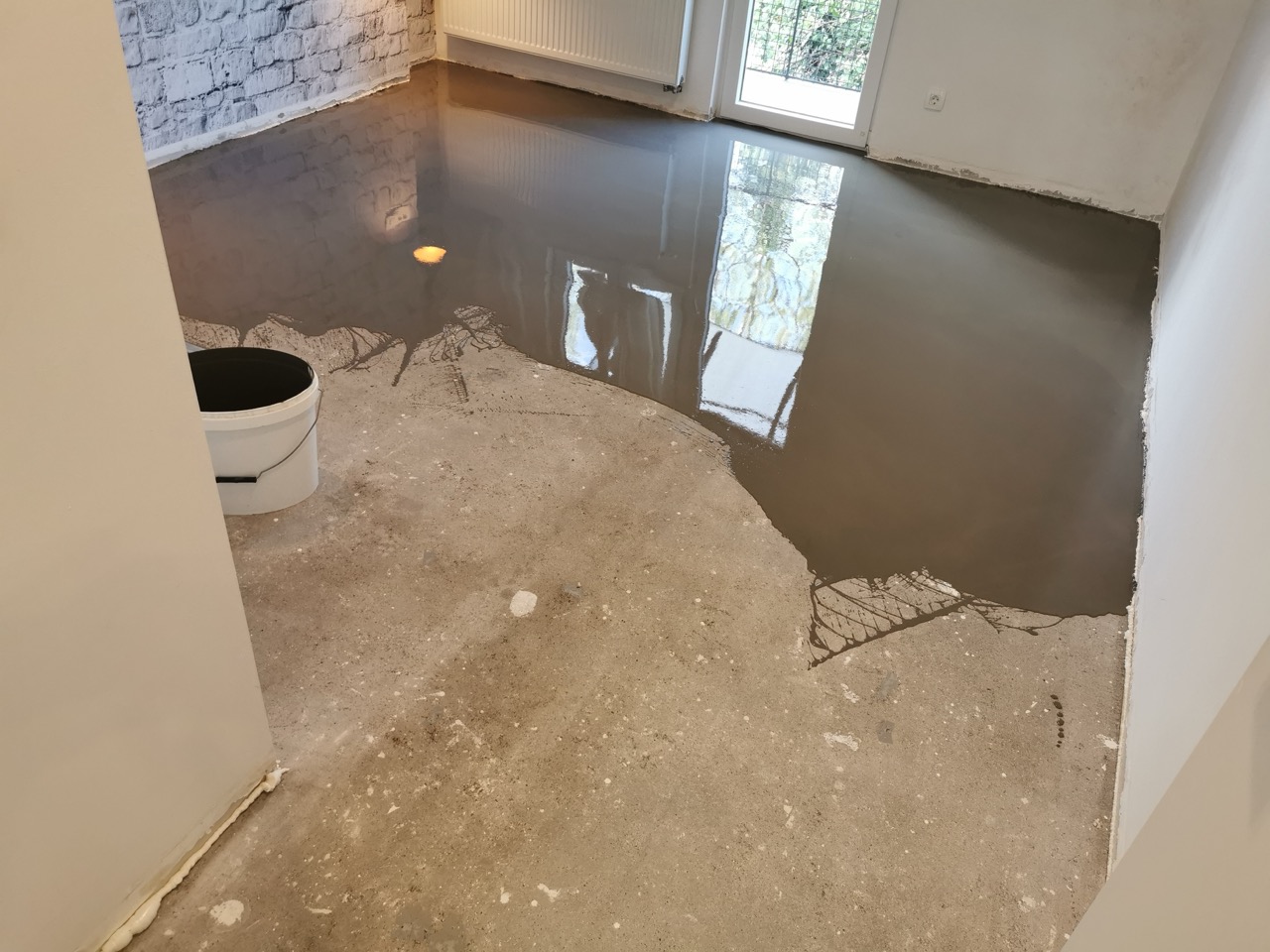
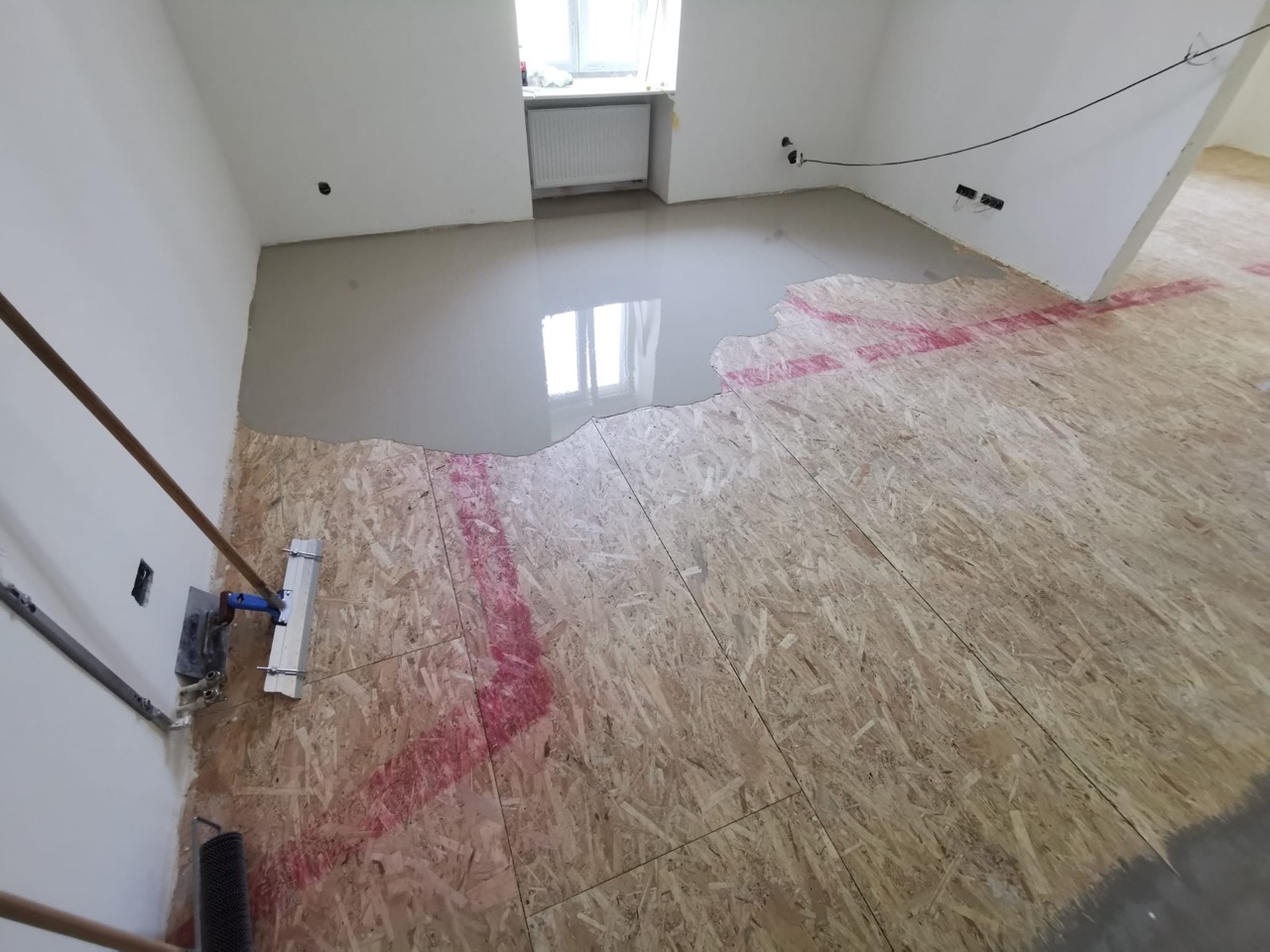
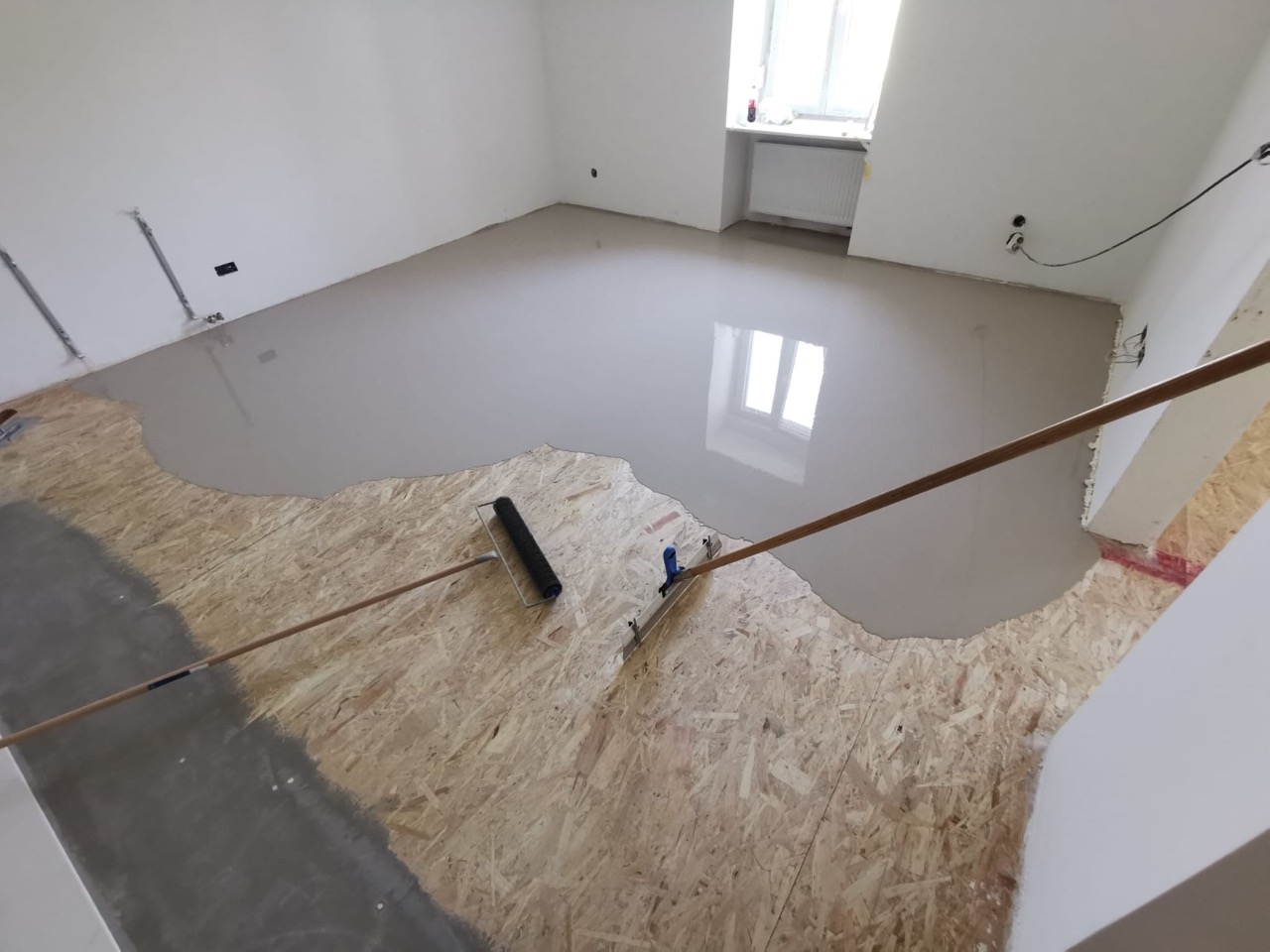
To achieve a perfectly flat surface, we use self-leveling compounds of various types and thicknesses, depending on the condition of the substrate
This process removes minor irregularities and guarantees an even surface ready for gluing or floating installation of the floor.
The result is a stable, smooth and durable base for any type of floor covering.
Thorough preparation of the subfloor is key to a long life and impeccable appearance of the floor..
Our experts take care of every detail – from sanding and leveling to the installation of modern dry floors.
With a properly prepared subfloor, your floor will look better, last longer and provide maximum comfort with every step.
A properly installed subfloor is the key to the durability and stability of the floor.
Every detail has been processed with care to ensure the floor is even and safe to use.
Frequently asked questions
Solid and multi-layer parquet, laminate, vinyl, carpet, cork flooring, and outdoor wood and WPC decking.
No problem – our experts will assess the condition and suggest the optimal solution, whether it be sanding, leveling or installing a new structure.
Yes, with special attention to cleanliness and minimal disruption. Our dust-free sanding equipment and neat approach to work guarantee a pleasant experience and a flawless final result.
A standard room of 20–30 m² takes 2–3 days, including sanding, varnishing and drying between coats.
Yes, most of the flooring we install are suitable for underfloor heating, from parquet only two-layer and three-layer finished parquets made of more stable wood species such as oak, while solid parquets are avoided due to their instability and tendency to expand and contract due to temperature changes, which can lead to damage. The key is in the multi-layer structure that reduces the reaction to temperature changes, as well as proper installation and control of the maximum temperature of the floor surface (not exceeding 29°C). First of all, it is necessary to follow the manufacturer's instructions and use certified adhesives for underfloor heating.